Blog Posts
Essays and reflections on data science, causal reasoning, and the questions worth asking about work and purpose.
- How to Build Explainable Machine Learning models?
Using the SHAP library to make customer-facing ML predictions interpretable and actionable, and how to evaluate whether explanations actually calibrate user trust.
- Causal Inference in Crop Trials
Some early thoughts on how causal reasoning, going beyond correlation, can help interpret crop trial interventions and predict downstream effects on yield and resilience.
- Developing a Work View
Notes from Stanford's Designing Your Life course on building a personal 'work view', the hard questions worth asking about specialization, money, ethics, and purpose.
- Courage, Purpose and Growth
A personal reflection on risk-aversion, incremental growth, and finding purpose that aligns with lasting values rather than external validation.
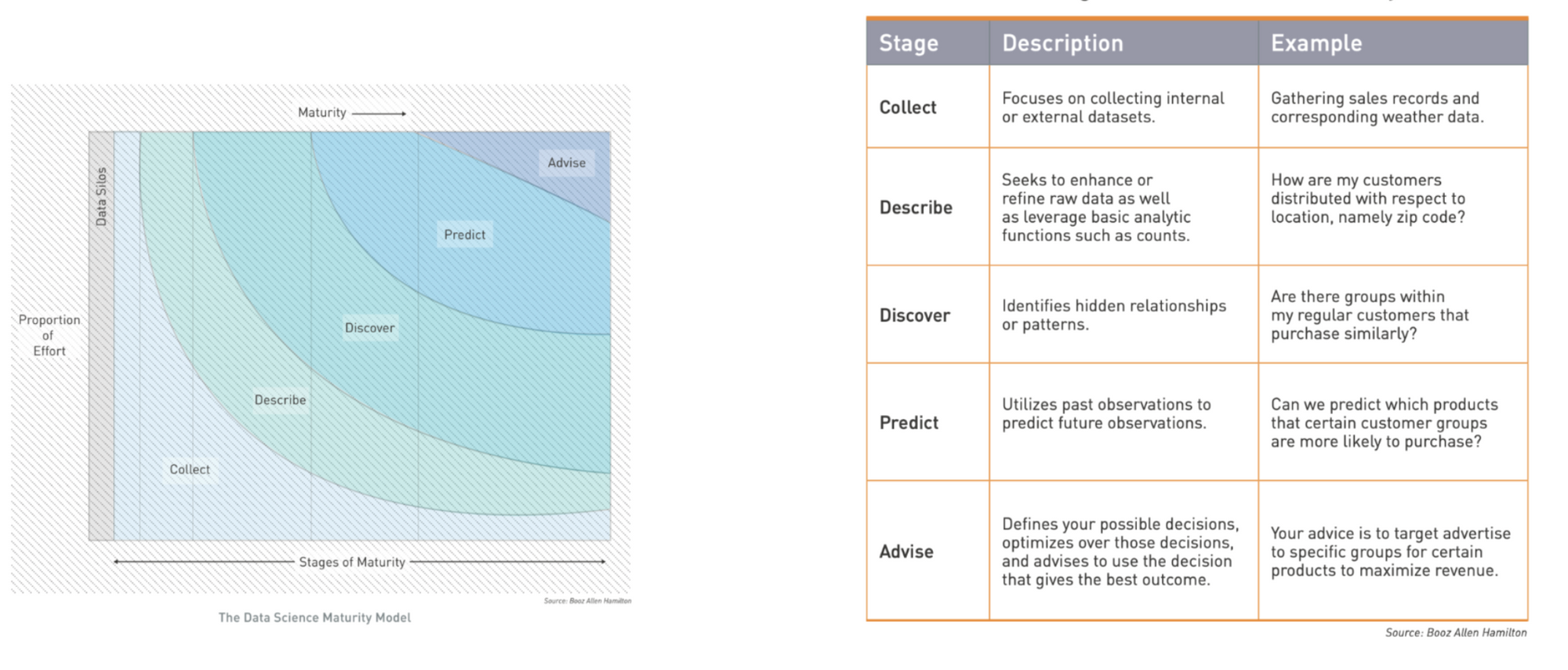
- Data Science Maturity Model: A Primer
Businesses can extract value from the data they collect to make data-informed decisions. This primer sets out a data science maturity model, from descriptive and diagnostic analytics through predictive and prescriptive analytics.
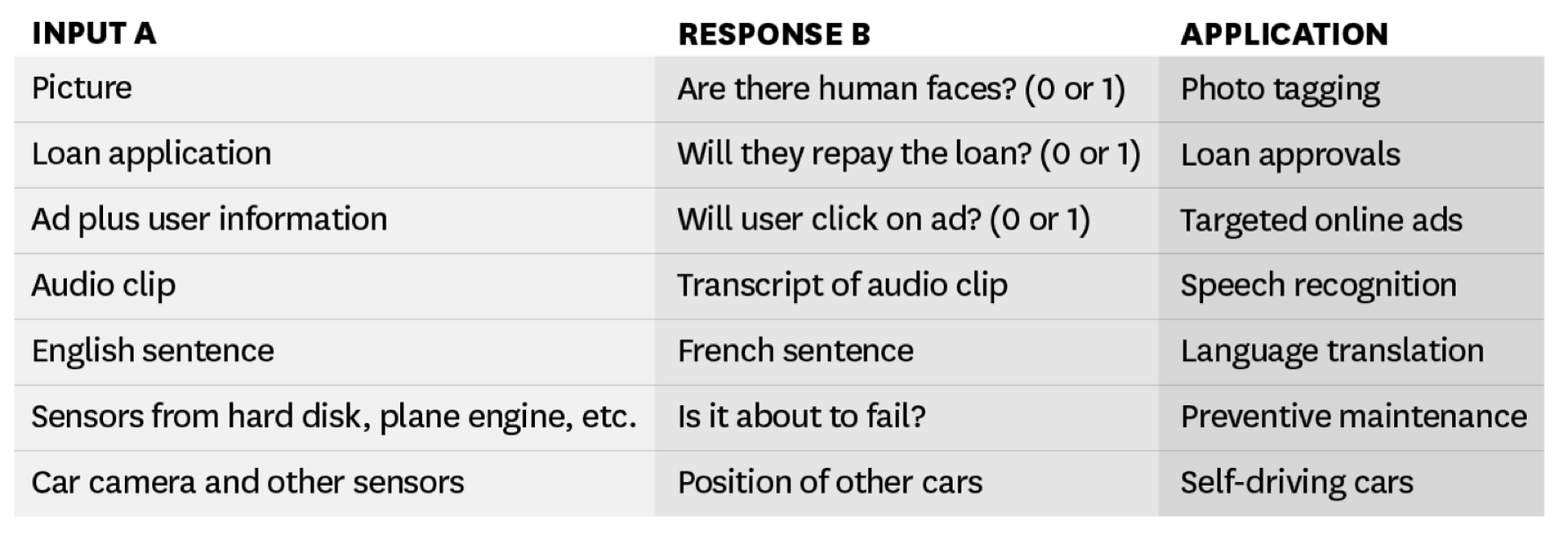
- Is Machine learning the right tool for your problem?
Machine learning has emulated aspects of human intellect, from games to speech and autonomous vehicles, and the hype makes it tempting to apply everywhere. This post offers heuristics for deciding when it is actually the right tool.
- Competing in a Data-Driven World
Companies capture only a fraction of the potential value in their data, and many struggle to bring insights into day-to-day processes. This essay looks at what data science actually offers: descriptive, predictive, and prescriptive analytics.
- On Building Data Products
A data product turns raw data into actionable insights, predictions, or automation. Building one that harnesses a feedback loop between use and data takes great data, thoughtful design, and a team that can bring the pieces together.
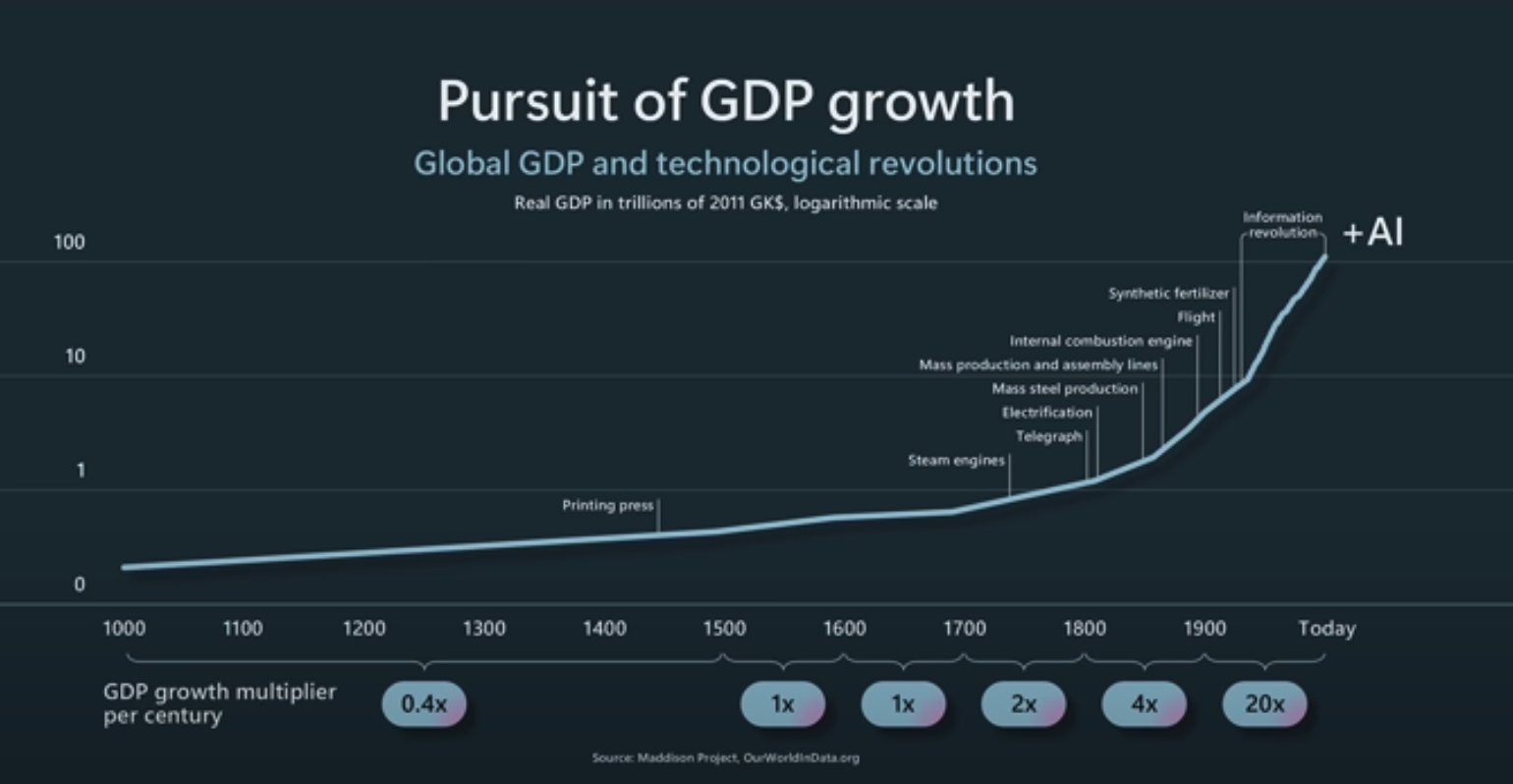
- Embarking on an AI transformation Journey
Integrating AI into an enterprise means more than implementing tools; it reshapes how a company operates. An AI strategy lays the foundation for competitive advantage and a defensible moat.
- Managing and Organising AI Talent
AI projects are not like traditional software projects: they need data infrastructure and an iterative path from training to production. This essay covers what success looks like and how to build and organise the team that delivers it.
- Navigating the AI Revolution: Building Long-term Strategies and Defensible Moats
Implementing AI takes significant investment, not only up front but through constant monitoring and refinement. A clear strategy helps leadership prioritise opportunities, create value, and build defensible moats.
- AI Ethics and Augmented Intelligence
Augmented intelligence focuses on enhancing human capabilities rather than replacing people. The essay argues for safety, inclusivity, collaboration, and transparency as AI is paired with human expertise.
- Future of Data Driven Process Optimisation
Process optimisation still starts from the event log, but traditional process mining struggles when logs are messy or processes are unstructured. Knowledge graphs and large language models offer a way to reason beyond what was explicitly recorded.